
Plan: Destination weddings
The Place & Promise Guide to Destination Weddings
A destination wedding starts with the place, and the place changes the guest list, the length of the celebration and how much of the planning you can do yourselves. How to choose a destination, and how to build the wedding around it.
Couples often picture a destination wedding as a normal wedding moved somewhere more beautiful. It rarely works out that way. Travel changes who can come and for how long. Distance changes how you plan and whom you rely on. Local rules, customs and seasons shape what is possible. The destination decides much of the wedding.
That is the reason to take the decision seriously, and the reason to let the place lead. What follows is the order in which to think it through.
Start with why this place
A destination can be chosen for a family connection, for the landscape, for somewhere you have travelled together, or for a sense of occasion that home does not offer. The reason matters because it tells you what to protect when trade-offs come. If the point is the landscape, the venue should face it. If the point is family, ease of travel may matter more than the view.
Choose the destination for a reason you could explain to a guest. Then build the wedding around that reason.
What the destination changes
Guest list
- What changes
- Travel cost and time mean some people who would come to a local wedding will not come. The list often shrinks, and it shrinks unevenly.
- What to decide early
- Who you most need there, and whether the wedding still works if some of them cannot travel.
Length
- What changes
- Guests travelling far usually stay more than one night, so the wedding often grows into a weekend.
- What to decide early
- Whether to host a welcome evening or a day-after meal, and how much of the guests' time you want to plan.
Planning
- What changes
- You cannot visit suppliers easily or check the venue on short notice.
- What to decide early
- Whether to work with a local planner or a venue with an in-house team who know the place.
Legal ceremony
- What changes
- The rules for a legally recognized marriage differ by country and sometimes by region.
- What to decide early
- Whether to marry legally at home and hold a symbolic ceremony at the destination.
Choosing the kind of destination
Different landscapes produce different weddings, and it helps to know which you are choosing before comparing specific places.
- Mediterranean towns and villas. Warm evenings, stone, terraces and long dinners outside. The heat of midsummer can make the middle of the day hard, so the day often starts late. See the villa and courtyard settings in the venue-type comparison.
- Coast. The horizon becomes the backdrop. Wind, glare and shelter shape the plan more than decoration. The coastal wedding edit covers this in detail.
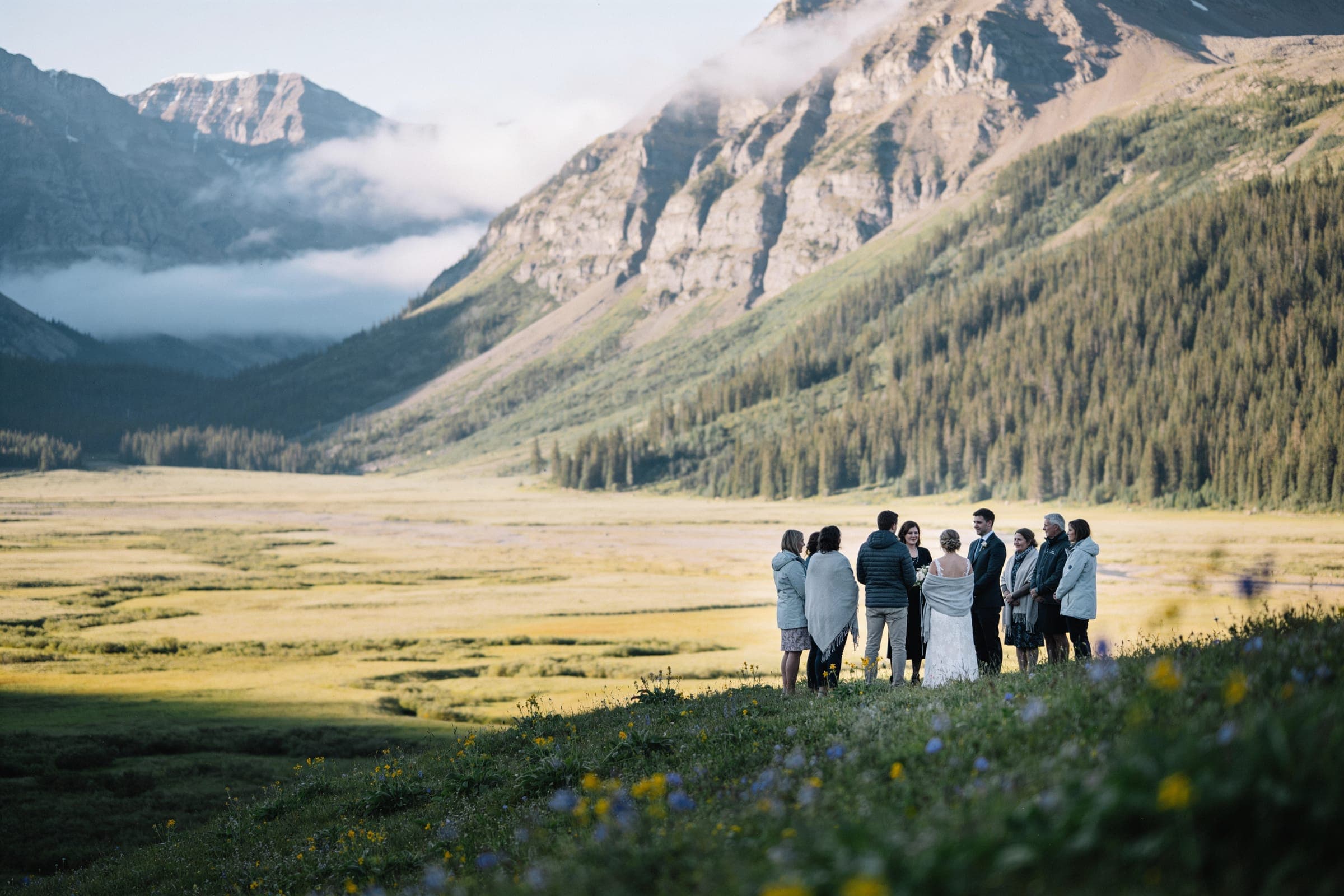
- Mountains. Clear air, strong views and quick changes in weather. Access for guests and suppliers matters, and evenings are often cool even in summer.
- Vineyards and countryside. Long views, old buildings and dinners at long tables. Working land changes with the season. See vineyard and countryside weddings.
Visiting, or not
If you can visit once, visit in the same season as the wedding and at the time of day of the ceremony. Walk the route guests will take from where they are staying. Eat a meal at the venue if possible. One well-timed visit tells you more than dozens of photographs.
If a visit is not possible, ask for recent, unstyled photographs of the spaces you would use, in your month, and a floor plan with measurements. A video walk-through of the route from arrival to dinner answers many practical questions. The questions in what actually matters when choosing a wedding venue apply here too.
Build the weekend around the place
A destination wedding asks guests for time. The best return on that time is letting them experience the place: a welcome drink somewhere local, a meal in a nearby town, a morning free to explore. These can be simpler than the wedding itself and often become what guests remember.
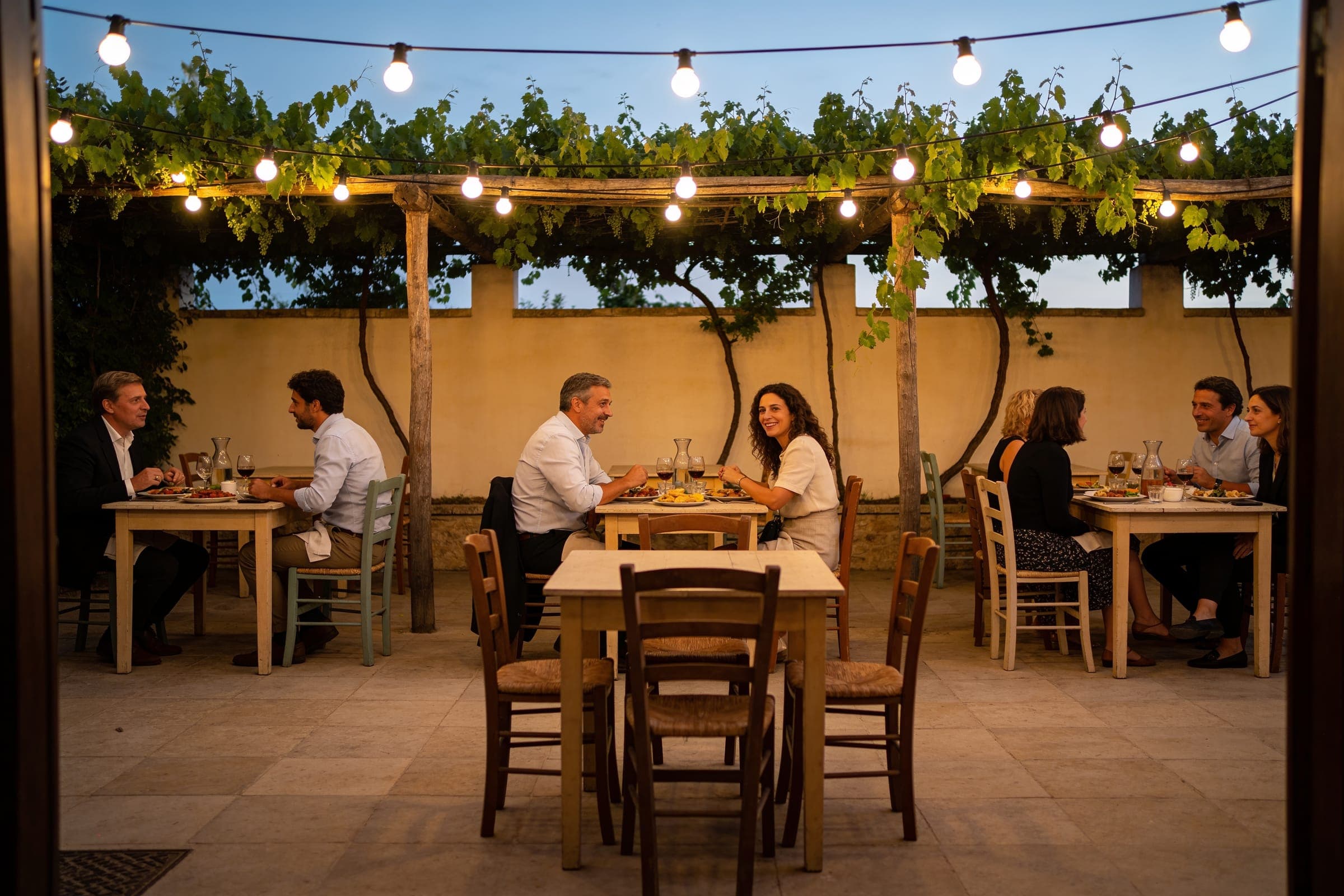
Keep the wedding day itself close to what the place does naturally. A long dinner outside where evenings are warm. A ceremony at the viewpoint the town is known for. Local food, local flowers, local wine. When the details belong to the region, the whole wedding reads as one idea.
When it may not suit you
A destination wedding is harder when the guests you most need are unable to travel, when you want to control every detail personally, or when the place matters to you less than the people. A local venue with a strong sense of place can give much of the same feeling without asking guests to cross borders. A small wedding closer to home is often the better answer.